The Hierophant Beyond Religion: A Universal Guide to Tradition and Wisdom
The Hierophant is often misunderstood as a strictly religious card. With its imagery of robes, ceremonial vestments, and formal hierarchies, many assume it belongs exclusively to spiritual or faith-based contexts. Yet this powerful archetype carries a much broader message that transcends any single belief system—one rooted in the universal human need for knowledge, mentorship, and community connection.
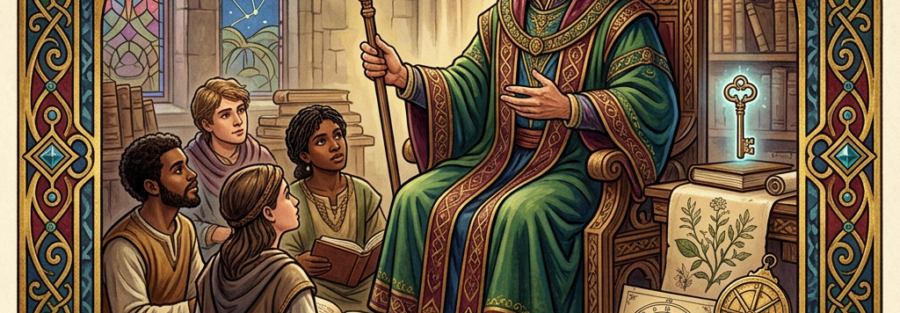
At its core, The Hierophant represents the passing of wisdom from one generation to the next. This principle exists in every culture and society. Whether it’s a grandparent teaching traditional cooking methods, a master craftsperson training an apprentice, a professor guiding students through complex theories, or a community elder sharing historical knowledge, The Hierophant embodies the sacred act of sharing accumulated experience.
Tradition itself isn’t inherently religious—it’s a framework humans use to preserve what works, what matters, and what connects us to our roots. The Hierophant celebrates this continuity while inviting us to ask: What wisdom do I want to preserve? From whom am I learning? What am I passing forward?
The Hierophant often appears in readings as a call to seek or become a mentor. This can take countless forms. A therapist helping clients navigate emotional patterns, a colleague sharing professional expertise, an artist teaching technique, a parent modeling integrity—these are all expressions of The Hierophant energy. The card invites us to recognize that wisdom-keepers exist everywhere, in every field and community.
When The Hierophant appears in a reading, it might suggest you’re ready to learn from someone experienced, or that you have knowledge worth sharing. This mentorship dynamic exists across all socioeconomic backgrounds, cultures, religions, and walks of life.
Another key theme is structure—The Hierophant represents systems, rules, and institutions. Not all structure is oppressive. Schools, ethical codes, community organizations, and established practices provide frameworks that help us function collectively. The card invites reflection on which structures support our growth and which ones need reimagining.
The shadow side of The Hierophant warns against blind adherence to tradition simply because “that’s how it’s always been.” True wisdom includes the discernment to honor what’s valuable while questioning what no longer serves us.
When working with The Hierophant, consider these secular interpretations:
– Who are your guides? Think beyond religious figures to include teachers, mentors, role models, or even authors and thinkers who’ve shaped your perspective.
– What traditions matter to you? These might be family customs, cultural practices, professional standards, or personal rituals—anything that grounds and centers you.
– What are you learning, and what are you teaching? The Hierophant reminds us we’re simultaneously students and teachers in different areas of our lives.
– Where do you need structure, and where do you need freedom? Healthy living requires both.
The Hierophant ultimately speaks to our shared humanity. Every culture has wisdom-keepers. Every community benefits from knowledge transfer. Every person has something to learn and something to teach. These aren’t religious concepts—they’re foundational to how societies thrive.
The card invites us to respect the knowledge that came before us, seek guidance from trusted sources, and embrace our role in the ongoing chain of human understanding. It’s a reminder that wisdom isn’t exclusive to any religion, nationality, or belief system—it’s a universal inheritance we all steward.